EAC Certification

EAC Certificate of Compliance with Technical Regulations of the Eurasian Economic Union

The Eurasian Economic Union (EAEU) is a customs and economic union of Belarus, the Russian Federation, Kyrgyzstan, Kazakhstan and Armenia. It establishes a free trade area among member states. Since 2015, the EAEU has been the legal successor to the former Eurasian Customs Union (EACU). A common tariff, unified trade rules and uniform technical standards apply within the EAEU region.

The Eurasian Conformity Mark - EAC - is the official proof that a product complies with all technical regulations under the assessment procedures of the Eurasian Economic Union (TR CU and TR EAEU). The new common certification system is based on the technical regulation procedures of the Russian Federation.

Products that meet all technical regulations and are confirmed by an EAC certificate are allowed to cross borders and be sold within the EAEU. No further national conformity certification, such as GOST-R, TR or GOST-K, is required.

Certificates required by the Customs Union can be issued by independent certification bodies accredited by member states after the products have been inspected.
Legal Framework

The legal basis for EAC certification includes the following documents:

Decision No. 319 of the Board of the EAEU Commission dated June 18, 2010

Agreement of the Republic of Belarus, the Republic of Kazakhstan and the Russian Federation on Common Principles and Rules in Technical Regulation dated November 18, 2010

Decision No. 620 of the Board of the Customs Union Commission dated April 7, 2011

Due to the harmonization of national safety standards, previous national technical regulations such as the Russian GOST-R and TR certifications have been gradually replaced by the new EAEU-TR CU technical regulations in various industries. In addition to EAC certification, the Customs Union has introduced the EAC Declaration as a simpler and lower-cost form of conformity proof.

The EAC certification process is consistent for all member states of the EAEU. Pursuant to Decision No. 896 of the Board of the EACU Commission dated December 9, 2011, EAEU certificates have a standardized format and application process.

The EAC Certificate includes the following information:

In terms of content, the EAC Certificate of the EAEU is identical to the TR Certificate and includes the following information:
  • 01Manufacturer's address and name
  • 02Name of the certified product
  • 03Customs tariff number
  • 04Applied standards of technical regulations
  • 05Information about the testing center
  • 06Validity period
  • 07Registration number
  • 08Information of the notified body

The EAC Certificate of the EAEU is valid for all member states within the EAEU, with a maximum validity period of 5 years. The issued EAC Certificate is registered in the unified register of the EAEU. In addition to the obligations of EAC certification, the EAC Declaration procedure is also required to confirm whether products comply with the technical regulations of EAEU member states.

Application Scope

In accordance with Resolution No. 620 of the Council of the Eurasian Economic Commission dated April 7, 2011, EAC Certification and EAC Declaration are required for all products included in the common list of EAEU certified products. For unlisted products, national import and export certification regulations apply.

The complete list of products requiring EAC certification is available here.

Technical Regulations TR CU and TR EAEU

To date, 48 technical regulations have been adopted by the Eurasian Economic Union and must be used for EAC certificates. Several sets of rules are currently being developed or already discussed at the union level.

The technical regulations TR CU and TR EAEU are basically the counterparts of European CE Directives, or more precisely EU Regulations. TR CU is the abbreviation for Technical Regulations of the Customs Union, and TR EAEU is the abbreviation for Technical Regulations of the Economic Union, similar to the designation of CE Directives such as Directives 2006/42/EC and 2011/65/EU. More information on this topic can be found in our articles: "Which is Correct: TR CU Certificate or EAC Certificate?" and "The Difference Between EAC Certificate and EAC Declaration".

Technical regulations stipulate the minimum requirements for the safety of the corresponding products. Product compliance is declared by the manufacturer or its representative via an EAC Certificate. After successful conformity assessment, the product is marked with the EAC Conformity Mark. The EAC Mark indicates that the product meets the applicable safety requirements of the technical regulations. Only then can the product circulate freely on the EAEU market.

Required Documents

6f68e1f404308a8b_67_0.jpg
To apply for a certificate of the EAEU, you need the documents for applying for a GOST or TR certificate, such as:

1Detailed product information

2Product name

3Customs tariff number

4Technical passport

5Safety justification

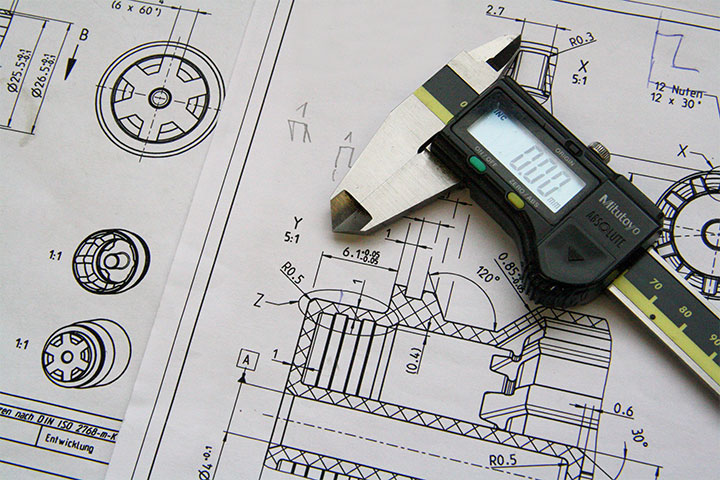
6Technical drawings and pictures

7Technical data sheet

8Operation manual

9Test report

10Existing certificates: ISO, DIN, CE, CB certificates

Depending on the type of product to be certified, other additional documents may be required. If the product to be certified also requires sanitary and hygiene inspection, appropriate certificates for issuing the EAC Certificate of the EAEU may need to be provided.

EAC Declaration of the EAEU

The EAC Declaration of Conformity with the Technical Regulations of the Eurasian Economic Union is a simpler and lower-cost way to prove product conformity. Products shall be guaranteed to meet the safety requirements of the EAEU technical regulations and be safe for customers and the environment. In contrast to EAC certification, the EAC Declaration can only be applied for by an importer located in one of the EAEU member states. Therefore, an authorized representative within the EAEU is required. If you need an authorized representative, we will be happy to recommend suitable companies that can take over this function.

The EAC Declaration has the same validity as the certificate. EAC Certification or EAC Declaration is required for products listed in Resolution No. 620 of the Customs Union Commission dated April 7, 2011.

If a product is listed in Resolution No. 620 of the EAEU dated April 7, 2011, the EAC Declaration is required for customs clearance of products exported to the EAEU.


Differences Between EAC Certificate and EAC Declaration

Standard EAC Certificate EAC Declaration
Applicant Manufacturer, importer, authorized person Manufacturer, importer, authorized person
Product classification Made by certification body Made by applicant
Proof of conformity Based on test reports from accredited testing laboratories Based on applicant's own evidence or test reports from accredited testing laboratories
Quality assurance Comprehensive production audit by certification body or external ISO 9001 certification Quality assurance done by applicant
Issuance of certificate Certification body on official form Applicant on plain paper
Registration of certificate Certification body Applicant or certification body
Validity 1 to 5 years depending on regulations 1 to 5 years depending on regulations
Liability Lies with certification body Lies with applicant
Supervision Certification body -

EAC Certification Process

Certification is completed on the basis of analysis of technical documentation and internal test reports, or more precisely test reports provided by accredited testing laboratories. In some cases, certification is carried out after an on-site production audit.

EAC certification includes the following steps:

1Apply to an EAEU-accredited certification body

2Certification body verifies documents

3Classification of products and selection of samples

4Inspection and analysis

5Production audit (if required by technical regulations)

6Issuance of certificate

7Monitoring of certified products (if required)

Applications for certificates can be made for different cases: single supply, series supply or serial production.

EAC Conformity Assessment Schemes

All technical regulations contain a description of the EAC certification procedures, the so-called schemes. Which scheme and which certification procedure are chosen depends on the product characteristics, manufacturing process and supply situation. In accordance with EU Guide 768/2008/EC of the EAEU, conformity assessment schemes supplement the conformity assessment modules.

Manufacturing Audit

For certain products that form the basis for EAC certification, the technical regulations of the EAEU provide for manufacturing audits. This applies in particular to EAC certification for mass production. The audit is carried out on site by an accredited certification body. It is mainly used to check whether the manufacturing process meets legal requirements. The manufacturing audit is performed in accordance with GOST-R 54293-2010 "Conformity Assessment Procedures - Manufacturing Audit" of the Russian Federation.

Supervision of Conformity Assessment

After issuing the EAC Certificate, regular checks shall be made to ensure that products still meet technical requirements and are properly marked with the conformity mark or EAC mark. This is done in the form of external supervision, supervision of conformity assessment. Supervision consists of systematic, repeated conformity assessment activities by the certification body that issued the certificate to maintain its validity. Only EAC Certificates require supervision; no external supervision is required for EAC Declarations.

  • 01EAC Marking - Eurasian Conformity Mark

    Products listed in the EAEU technical regulations as requiring EAC certification need to be affixed with the EAC Mark of the EAEU. This proves compliance with all legal requirements of the EAEU. Since July 15, 2011, the requirements for the EAC Mark and its compliance with EAEU technical regulations have been listed in Resolution No. 711 of the Customs Union Commission. Marking of products requiring mandatory EAC certification under EAEU technical regulations is one of the conditions for market access. Marketing without proper marking is prohibited. In addition, the EAC Mark increases potential customer trust and demand for products.

  • 02Validity Period of EAC Certificate

    The validity period of an EAC Certificate depends on the applied technical regulations, the selected scheme, the type of production (mass production, single delivery, etc.) and equipment, averaging 1 to 5 years. These parameters are defined in the respective technical regulations.

  • 03Duration and Cost of EAC Certification

    The duration and costs associated with applying for an EAC Certificate depend on several different factors, such as product classification, any required laboratory tests, and the complexity of all inspections. Therefore, the exact conditions for EAC certification are always determined individually based on the required documents. Please note that processing an application for an EAC Certificate may take several weeks.

  • 04Delivery of Documents

    If you order an EAC Certificate, you will receive one copy by email immediately after we successfully complete the certification process. The original document and two certified copies will be sent by mail.

Preparation of Technical Documents for EAC Certification

Technical documentation plays an important role in launching new products to the Eurasian Economic Union. They not only provide the basis for conformity assessment, but are also crucial during commissioning (e.g. of new machines). In particular, the following documents are important:

1Technical passport

2Safety justification

3Instruction manual

4Safety data sheet

5Test report

6Ignition hazard assessment

Technical expertise, diligence and accuracy in preparing documents are one of the prerequisites for the smooth distribution and use of products, machines or plants in the EAEU region. Technical documentation must also be prepared in Russian or the official language of the respective member state in which the product will be distributed or used. To avoid any problems, we will be happy to help you create new technical documentation or check the completeness of existing documentation and the correctness of Russian language and terminology.

Type Testing for EAC Conformity Assessment

An important step in the conformity assessment procedure is testing of product samples, during which verification is made that the products comply with the corresponding technical regulations of the EAEU. In the case of EAC Certification, this can only be done in accredited laboratories and must follow specific rules. In the case of EAC Declaration, tests may also be performed in non-accredited laboratories. A test report is then prepared containing the test results along with information about the manufacturer and test methods.

There are several points to consider both in the transportation of samples and the testing process itself. Unfortunately, some unscrupulous certification bodies have also gained market access, so great care must be taken when choosing a certification body. To ensure the smooth progress of sample testing, we support you in the following aspects

Selection of appropriate samples for testing

Customs declaration

And recommendations to reliable certification bodies and testing laboratories

Efficient Certification Service Process

Providing you with comprehensive consulting services for easier certification

8 Major Guarantees for Certification Consultancy

Confused about choosing a certification body? MICEZ is here to help you

Successful Cases

Thank you for the choice and trust of every customer

Successful Cases

Premium Enterprise Certification Service Provider

Solving your certification concerns

Get Service Plan & Quote Now

Get Service Plan & Quote Now

For your rights, all your information will be kept strictly confidential

WeChat Consultation

Official Account

Back To Top
021-52968370